Australia Construction Supply Chain Crisis 2026: Shortages, Cost Surges and Delivery Risks Escalate
Australia’s construction supply chain crisis in 2026 is intensifying, driven by global disruptions, rising costs, and increasing delivery risks across the industry.
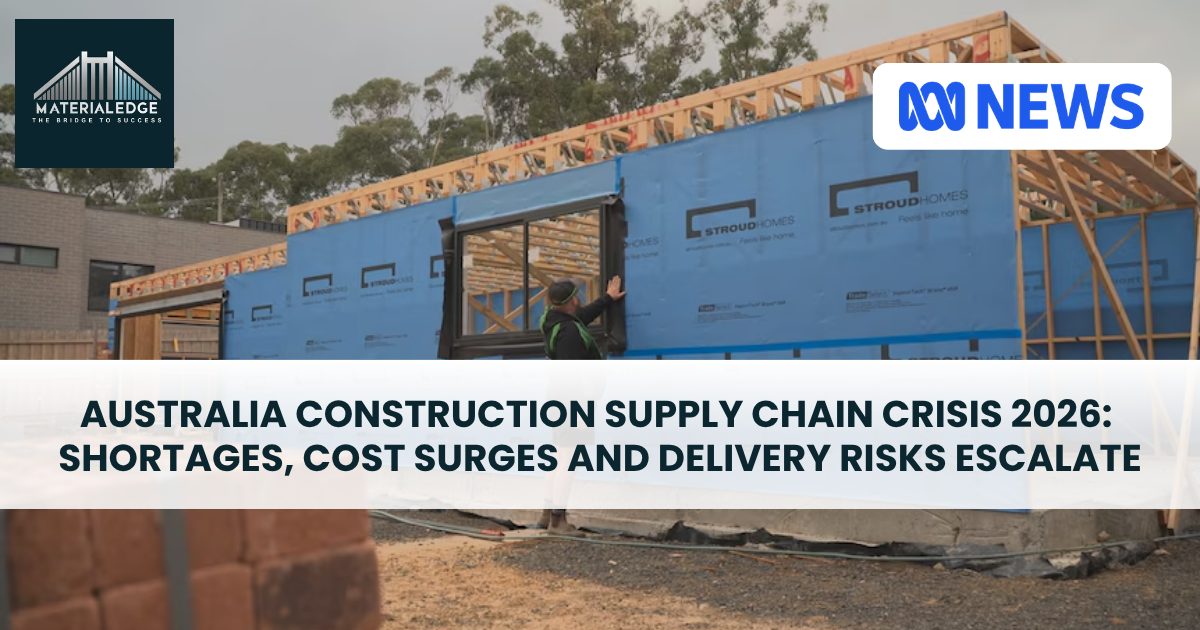
Australia’s construction sector is once again under pressure as supply chain disruptions expose structural weaknesses in material sourcing, project delivery, and cost control. According to ABC News, builders are facing growing difficulty in securing essential construction materials, with shortages and delays becoming more frequent and less predictable.
This issue reflects a broader global supply chain disruption, influenced by geopolitical tensions, energy price volatility, and instability in shipping and manufacturing networks.
Australia Construction Supply Chain Shortages Driving Cost Increases
Key construction inputs such as timber, steel, and prefabricated components are experiencing inconsistent supply, forcing builders to delay projects or source alternative materials at higher costs.
The situation is being exacerbated by rising transport costs. Recent data shows diesel prices have surged significantly due to global geopolitical tensions, with freight costs increasing accordingly. In some sectors, delivery costs have risen by more than 50%, directly feeding into construction budgets.
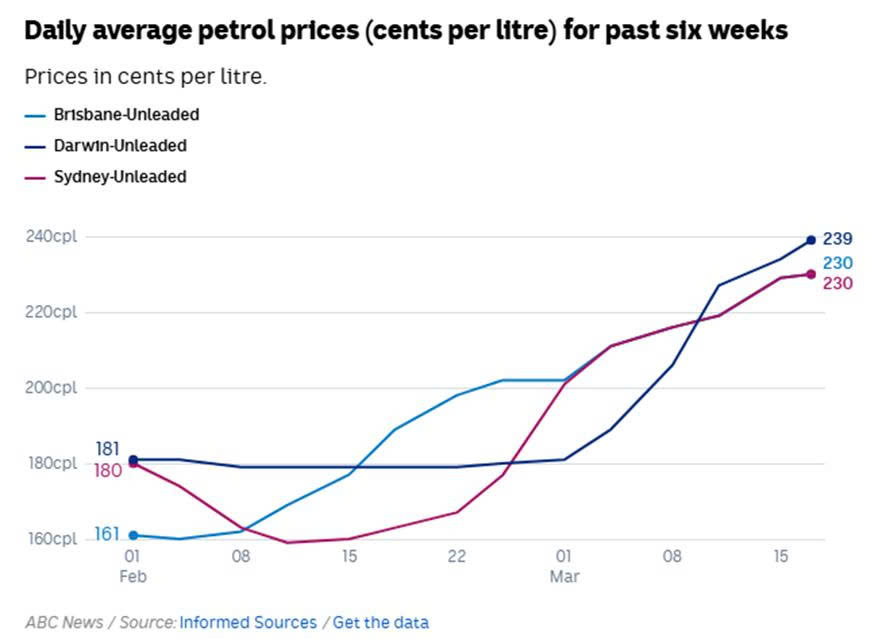
Source: ABC News
At the same time, manufacturers are reporting raw material price increases of up to 50%, particularly in energy-intensive products such as plastics and industrial inputs.
This creates a compounding effect:
- Higher material costs
- Higher transport costs
- Reduced availability
Together, these factors are driving a new wave of cost escalation across the construction sector.
Construction Supply Chain Delays and Delivery Risks in Australia
Beyond cost, the more critical issue emerging is unpredictability.
Builders are increasingly unable to lock in timelines due to:
- Delayed shipments
- Uncertain delivery schedules
- Sudden supply interruptions
This is fundamentally changing how projects are managed. Instead of linear, predictable construction processes, developers are now forced into reactive procurement strategies—often buying early, stockpiling materials, or paying premiums to secure supply.
However, these strategies shift financial risk upstream:
- Higher upfront capital requirements
- Increased exposure to price volatility
- Reduced flexibility during construction
According to industry analysis, supply chain disruptions are now one of the primary drivers of project delays and budget overruns in Australia’s construction sector.
Why Australia’s Construction Supply Chain Crisis Is a Structural Problem
The ABC report reinforces a critical point: this is not a short-term issue.
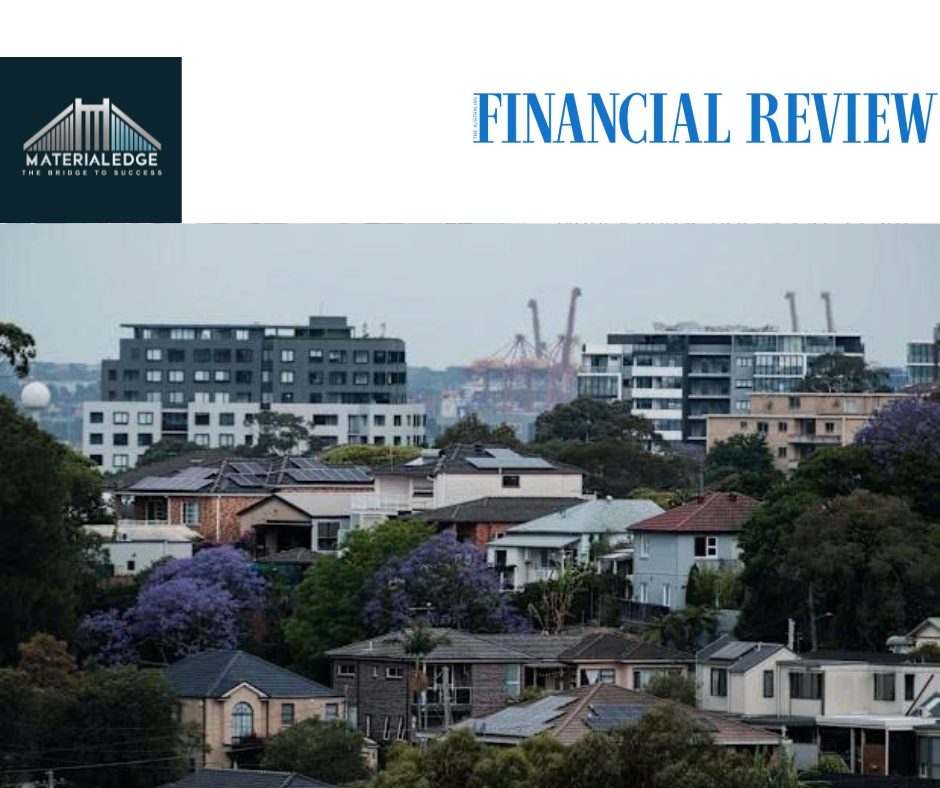
Australia’s construction industry is structurally dependent on global supply chains. When international logistics are disrupted—whether by conflict, energy shocks, or manufacturing slowdowns—the impact is immediate and unavoidable.
At the same time, domestic capacity remains limited:
- The industry still faces a shortage of approximately 130,000 workers needed to meet housing targets
- Infrastructure demand continues to compete for the same pool of materials and labour
- This creates a high-risk environment where:
- Costs are no longer stable
- Timelines are no longer predictable
- Project feasibility is increasingly uncertain
In practical terms, developers are no longer just managing construction—they are managing supply chain risk.
What the Supply Chain Crisis Means for the Future of Construction in Australia
The situation highlighted in the ABC report points to a fundamental shift in the industry:
Traditional construction models—reliant on fragmented procurement, sequential delivery, and global material flows—are becoming increasingly exposed to disruption.
In this context, the ability to control supply chains, reduce dependencies, and stabilise delivery is no longer a competitive advantage—it is becoming a necessity.
This is where large-scale modular programs such as AusMod20K become strategically relevant.
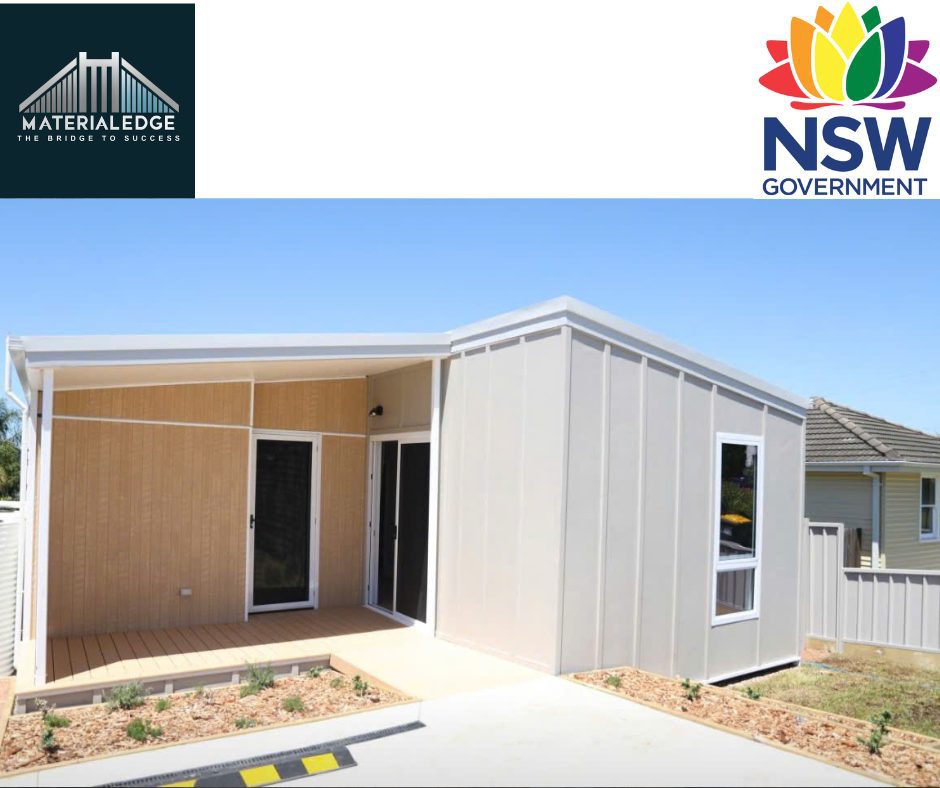
By transitioning from onsite construction to controlled, offsite manufacturing, AusMod20K directly addresses the core issues identified in the report:
- Reducing reliance on volatile global supply chains
- Consolidating procurement into fewer, more predictable channels
- Shortening construction timelines to limit exposure to disruption
- Delivering housing through standardised, repeatable systems
- For developers and investors, the implications are significant:
- Greater cost certainty despite market volatility
- Reduced risk of delays caused by material shortages
- Faster project completion and earlier revenue realisation
In a market where supply chain instability is becoming the norm, AusMod20K represents more than an alternative construction method—it reflects a shift toward a more resilient, scalable, and predictable model of housing delivery.
AusMod20K: A Strategic Response to Supply Chain Disruption
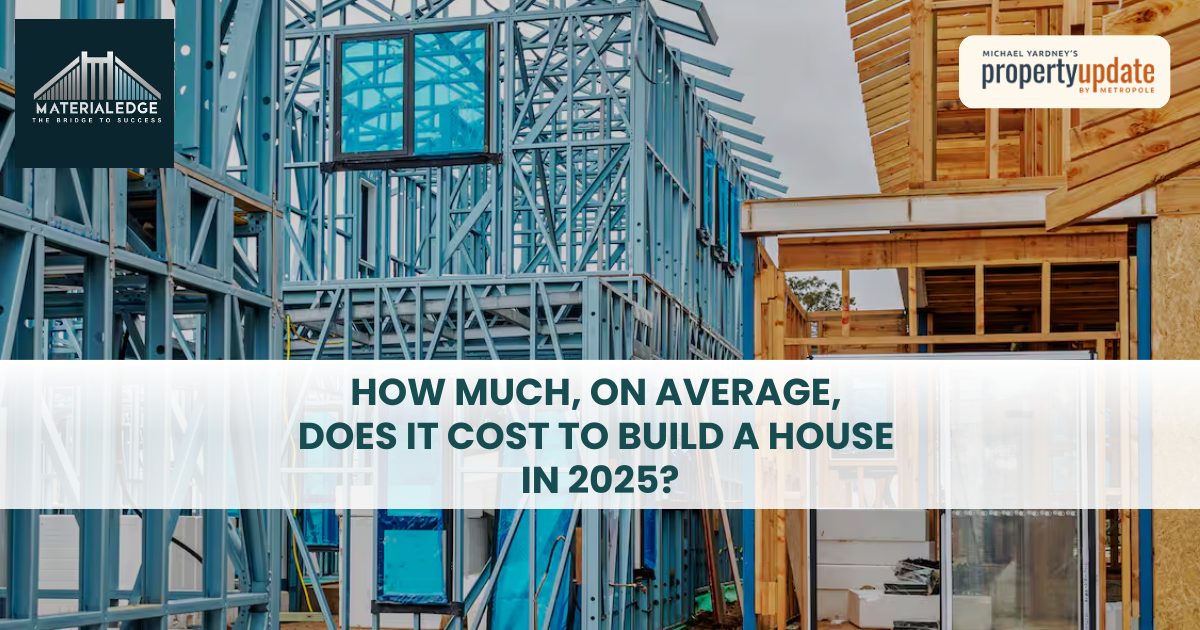
The ABC report makes one thing clear: Australia’s housing challenge is no longer driven by demand alone, but by the growing fragility of the construction delivery model itself. Builders are now facing emergency fuel levies on core materials, pipe suppliers are warning of disruption over the coming weeks and months, PE resin prices for April delivery have reportedly jumped by about 40 per cent month-on-month, and in at least one case the gap between shipping and air freight has blown out to a tenfold increase. At the same time, the cost of building a home is already 35.4 per cent higher than it was in late 2019, placing further strain on feasibility across the sector.
AusMod 20K is highly relevant in this context because it is designed around the exact pressures now affecting traditional residential construction:
- Standardised, repeatable modular typologies: Reduce reliance on highly fragmented, bespoke procurement pathways that become vulnerable during supply shocks.
• Offsite manufacturing: Shift delivery from open-ended, site-dependent sequencing to a more controlled production model
• More consolidated procurement: Help limit exposure to multiple emergency surcharges across separate trades and material categories
• Shorter delivery windows: Reduce the period during which projects remain exposed to freight spikes, fuel volatility, and supplier price resets
• Program-scale housing delivery: Better aligns with Australia’s need to deliver housing volume more efficiently as the 1.2 million homes target becomes harder to achieve under conventional delivery conditions
Net result:
AusMod 20K offers a more resilient housing delivery pathway at a time when traditional construction is becoming increasingly vulnerable to fuel-linked price shocks, imported material disruption, and escalating uncertainty across the supply chain.
How Aura Modular Responds to the Cost and Supply Shock
Aura Modular translates the AusMod 20K model into a commercially actionable product response.
Where the ABC article shows builders being forced to absorb unexpected increases on fixed-price contracts, Aura Modular improves project control through a more defined and industrialised delivery structure:
• Predefined modular specifications: Reduce late-stage redesign and reactive sourcing when certain materials tighten in supply
• Factory-based coordination: Lower the dependency on fragmented onsite sequencing that becomes more expensive when transport and materials are unstable
• Reduced site time: Limit exposure to prolonged construction periods during which new surcharges and supplier notices can continue to emerge
• More predictable scope: Help reduce variation risk when material markets are shifting rapidly
• Faster path to completion: Support earlier occupancy, revenue generation, or end-user handover compared with slower conventional build cycles
In practical terms, Aura Modular is not simply positioned as a building product. It is positioned as a risk-reduction model for a market where supply consistency, price stability, and delivery certainty are becoming increasingly difficult to secure. That matters even more when many builders are still locked into fixed-price contracts and have limited ability to pass through sudden increases immediately.
Strategic Conclusion (For Developers & Investors)
The problem is no longer just that construction costs are high. The deeper issue is that they are becoming harder to predict, harder to control, and harder to absorb within traditional project structures. Emergency fuel levies, imported material disruption, resin price spikes, and freight escalation are all signs of a delivery model under pressure.
AusMod 20K and Aura Modular respond to this by:
• Creating a more controlled delivery framework
• Reducing dependence on the most disruption-prone parts of the traditional supply chain
• Compressing project timelines to reduce cost exposure over time
• Supporting scalable housing delivery in a market under pressure to build more, faster, and with greater certainty
This is why modular is becoming strategically important. In the current Australian market, it is not just an alternative construction method. It is an increasingly relevant response to the very risks now being exposed across the residential building sector.
If you would like to
Become a partner of the AUSMOD20K program, please click this link: Partner
Become a supplier for the AUSMOD20K program, please click this link: Supplier
See detailed information at: NEWS